Six months after closing their seed round, a B2B SaaS founder we know still had no product. They’d hired a CTO, strong resume and big company background, but he spent his time on hiring plans and architecture docs. No code shipped. What they needed was someone to build. What they hired was someone to lead.
The two roles look similar from the outside. They’re not.

The Core Difference
Founding Engineer: Builds the product with significant autonomy and equity. Hands-on coding is the primary focus, with leadership potential as the company grows.
CTO (Chief Technology Officer): Leads technical strategy and team. May code early on, but primary responsibility is leadership, architecture decisions, and team building.
Think of it this way:
- A founding engineer is a builder who might become a leader
- A CTO is a leader who might also build
Side-by-Side Comparison
| Dimension | Founding Engineer | CTO |
|---|---|---|
| Primary focus | Building the product | Leading technical direction |
| Hands-on coding | 80-95% of time initially | 20-60% initially, decreasing |
| Team management | Eventually, as team grows | From day one |
| Strategic planning | Involved, but secondary | Primary responsibility |
| Experience level | 3-10 years typical | 10-20+ years typical |
| Salary range | $100K-$160K | $180K-$300K+ |
| Equity range | 0.5-3% | 1-5%+ |
| Reports to | CTO or CEO | CEO / Board |
Salary ranges reflect US market rates. Western Europe typically runs 20–30% lower; Eastern Europe, India, and Latin America can be 40–60% lower.
When to Hire a Founding Engineer
If you’re pre-seed or early seed with no product yet, you need someone writing code more than someone leading strategy. There’s not enough team or complexity to warrant CTO-level leadership. A founding engineer gets the product built.
If you’re technical yourself, or have a technical co-founder, you don’t need someone to own technical direction. You need a skilled builder to execute alongside you. A founding engineer fills that gap without the cost of a senior executive.
Budget matters too. CTOs command $180K-$300K+. Founding engineers take $100K-$160K in exchange for equity and the chance to grow with the company.
There’s also a longer-term case: if you’d rather develop technical leadership internally than hire for it, a strong founding engineer can grow into the CTO role as the company matures. This works when they want that path and you’re willing to invest in getting them there.
If you’ve decided this is the right hire, read our founding engineer guide for what to look for when hiring one.
When to Hire a CTO
If you’re non-technical and no one on the team can evaluate technical work or make architectural decisions, you need a CTO. Not because they’ll write more code than a founding engineer, but because they’ll own the entire technical domain at the leadership level: strategy, decisions, and accountability.
If you’re raising serious capital, investors at Series A and beyond expect experienced technical leadership. A founding engineer may be excellent, but a CTO brings credibility to the pitch and can handle technical due diligence with investors.
If you need to scale from a handful of engineers to 10+, you need someone who’s done it before. Hiring at scale, structuring teams, building process, maintaining culture under rapid growth: these require experience most founding engineers haven’t had yet.
The Hybrid Path: Founding Engineer to CTO
Many startups take the middle path: hire a founding engineer early, let them grow into leadership, and promote them to CTO when the company needs it.
This works when the founding engineer has leadership potential and wants it, you’re willing to invest in their development, and your growth pace allows for learning on the job. A fractional CTO can provide strategic guidance during the gap while the founding engineer is developing.
It doesn’t work when you need senior leadership immediately, the founding engineer prefers to stay hands-on, or the technical challenges require experience they simply don’t have yet.
Can One Person Be Both?
In very early startups, the line blurs. A founding engineer might also carry the CTO title if they’re the most senior technical person. The title matters less than the actual work: if they’re primarily coding, they’re functioning as a founding engineer. If they’re primarily leading, they’re functioning as a CTO.
One thing worth knowing: many startups give the CTO title to their first technical hire regardless of actual role. This creates problems later. If you ever need to hire a more senior technical executive, the title conversation gets awkward. Consider using “Founding Engineer” or “Head of Engineering” initially and keeping CTO available for when you genuinely need executive technical leadership.
Which One Do You Need?
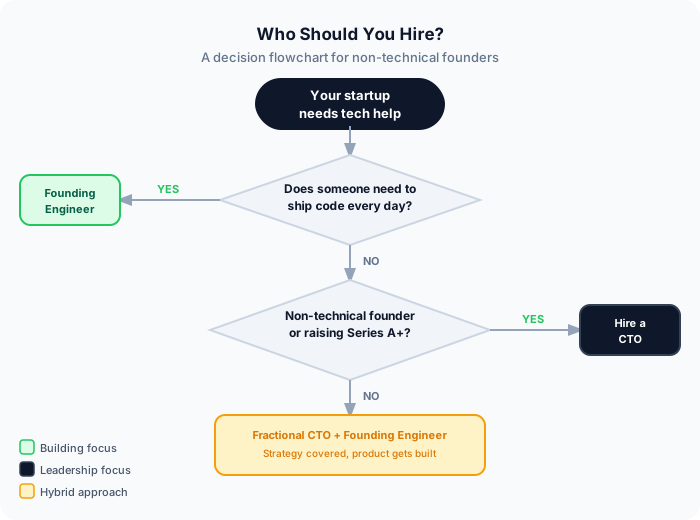
Most early-stage startups need a builder first. If you’re still debating between the two, that’s usually your answer.
For a deeper look at each role, read our founding engineer guide and CTO job description guide.
Not sure which role fits your startup right now? Tell us about your situation and we’ll help you figure it out.